Three Films That Will Scare the Pants Off You in About a Minute!

We all like to be scared, but sometimes it takes too long. To be able to build atmosphere and reach the scare in just a few minutes is a feat. Look at these three films, that scare you in ever decreasing amounts of time.

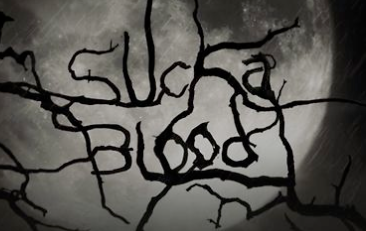
Sukablood scares you in 6 and a half minutes. It’s a twist on a fairytale and teaches you not to suck your thumb.

Suckablood – short fairytale horror from BloodyCuts.co.uk on Vimeo.

Screen Shot 2013-10-27 at 1.11.13 PM

Mama is a preview of a film by Guillermo Del Toro. He manages to scare the heck out of you in 2 minutes.

One Last Dive is the fast scare in town. It goes from normal to terrifying in 1 minute.

One Last Dive from jasoneisener on Vimeo.

Screen Shot 2013-10-27 at 1.10.29 PM

Check these out and see if they scare you.

Tim Kane

Five Funny Undead Movies

Everyone likes to be scared. (Okay, not everyone. But if you’re reading this, then yes, you do.) But how about giggling during your brain eating? Not every horror flick needs to be a serious spine tingler. Humor can liven up a scary flick. What follows are the funniest zombie (or zombiesque) films around.

5 Evil Dead

Rami has a gift for delivering chills and gags all at the same time. The demon possessed folk aren’t exactly zombies, yet they stumble around asking Bruce Campbell to “join them.” This is probably the most serious of the bunch, but still good fun.

4 Dead Alive

Everyone knows Peter Jackson from The Lord of the Rings. Few know that he started with slapstick horror. Honestly, you can’t get more gore than Dead Alive. It takes gross to a whole new level. But the film is dead on funny. It has a zombie baby, a plague infested rat, and a kung fu practicing priest. “I kick ass for the Lord.” Come on, give it a go.

Zombie baby

3 Evil Dead II

If the first Evil Dead was great, the squeal is awesome. But this isn’t really a continuation of the story. It’s a remake with a bigger budget and more laughs. Bruce Campbell (aka Ash) has to do battle with his severed hand. He replaces his lost appendage with a chainsaw and proceeds to cut up some demon possessed people. All while black blood spews everything. For fun, count the number of head injuries Ash sustains in the film.

Ash tripping out as the house creaks and lamps start dancing.

2 Shaun of the Dead

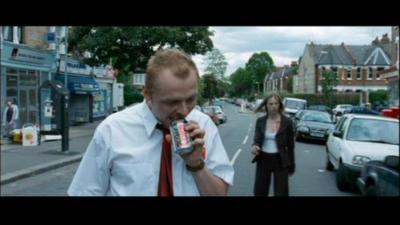
This movie simultaneously pays homage to nearly every great zombie flick while making you roll over laughing. One of the best scenes is one that would probably happen in real life. Simon Pegg (Shaun) is going through his morning routine of picking up a soda and an ice cream from the corner shop. He fails to notice the staggering corpses in the streets or the bloody hand print on the glass door.

1 Dead and Breakfast

This is a highly under appreciated movie. Watch this and you will never look at blueberry pie the same again. It has it all. Line dancing zombies (alright, possessed people, but they act like zombies). A person’s head used as a hand puppet. And David Carradine.

Eating blueberry pie and ignorant of the gore behind him.

Tim Kane

What to Read: Three Different Categories of Fiction

You have to know yourself as a reader. Which type of fiction do you lean toward? Knowing the different kinds of fiction can certainly help. I get totally into this—my Master’s thesis being on genre studies. But I’ll save wordy for a doctoral thesis and give you the reader’s perspective.

Realistic or Literary Fiction
These are the books that deal with real life. They’re usually called literary fiction in bookstores, but I also lump in realistic fiction, because that applies better to young adult books. Basically these books focus more on characters and their personal problems over plot. There is a line that divides literary form realistic. Literary can often be very self-absorbed and even be devoid of plot. Realistic fiction typically has some semblance of a problem and resolution.

Some good examples (pulled from my favs) are:

Genre
These books are defined by their plot structures. Characters can be secondary and will sometimes follow stereotypes. Readers return to these books because we know what to expect. Certain situations and settings reoccur over and over. There are many different types of genres, such as: Science Fiction, Fantasy, Horror, Thriller, Romance, and Mystery.

Some more favs:

Genre Pastiche
This is where things get interesting. Since the 1980s, films had run the gamut of genre and began mashing them up. Books are doing the same. One of the most popular pastiches is paranormal romance (horror and romance). This allows readers who love genre, to mix things up.

Final set of favs:

  • Horror + Realistic Fiction: A Monster Calls by Patrick Ness
  • Science Fiction + Fantasy: Leviathan by Scott Westerfeld
  • Fantasy + Realistic Fiction: Life of Pi by Yann Martel

Next time you look for a good read, think about the type of read you are. Choose your book based on your tastes. If you have a writing bent, then check out how to write for each genre.

Tim Kane

Let Horror Clense Your Soul

While traversing my masters in English, I stumbled onto a fact that clicked with me: The Greeks believed that Tragedy was cathartic for the soul. In other words, seeing other folks going through hell, releases the viewer’s personal demons.

This could explain our collective yearning to view horror films. Ghoulies and nasties abound. Even though my daughter is going through the typical fear of things going bump in the night, she still clings to her stuffed werewolf and Lego monsters.

The same cathartic release appears in bullrings. I witnessed a bullfight in south Spain twenty years ago (I was going through my Hemingway phase). Although it was brutal (and plenty bloody) there was this strange sense of unity with the crowd. Just before the killing blow, they all chanted and stomped to a rhythm. It seemed to hypnotize the bull.

Could the same thing have happened in Roman gladiatorial competitions? It’s well known that patricians like Julius Caesar put on many events to amuse plebeians (presumably so they wouldn’t riot). Yet, maybe it also sucked out their fears, letting the gladiators act them out.

One horrific sight I recently stumbled upon was a zombie-like behavior from the audience. Eating fresh liver was believed (by the Romans at least) to cure epilepsy. The liver had to come from a healthy specimen. What better than a gladiator? Consequently, when a gladiator fell, there was a mad dash to tear open his gut and gulp down the liver. Can you picture this? It’s like Romero movie, but for real.

Feeling a little stressed and weighted down? Maybe some adrenaline and screaming will help. Either hop on a roller coaster to slip in a horror disc. Either way, screaming may lead to peace of mind.

Tim Kane

The God of the Lost

Worship me with your feet.

That’s what the God of the Lost wants. A creation of Stephen King, this deity drops down to earthly levels in the book The Girl Who Loved Tom Gordon. I have said before that this is one of my favorite books by King. Not only have I read it seven or eight times, I even wrote a paper on it for my Masters in English.

One interesting aspect of the book is King’s take on religion. The protagonist, Trisha McFarland, becomes hopelessly lost in the woods. At a clearing, she meets three gods, each offering a sort of salvation. There’s the-god-of-Tom-Gordon (the one the pitcher points to when he makes a save). This god is too busy to help a child lost in the woods.

Then there’s the sub-audible. This, according the Trisha, is a creation of her drunk father. The sub-audible is that noise just below hearing. Like the sound of the refrigerator turning on and off. People don’t notice it. But it’s there. This version of god is just behind the skin of the world. Always humming. It can’t really help because it’s too weak.

Then there’s the God of the Lost. This creature has a face composed of living wasps. Plump, ungainly poison factories. It feeds off Trisha’s fear, allowing her to live so she can ripen. Later in the novel, Trisha finds a road and is almost to safety. Then the God of the Lost appears in the form of a possessed bear.

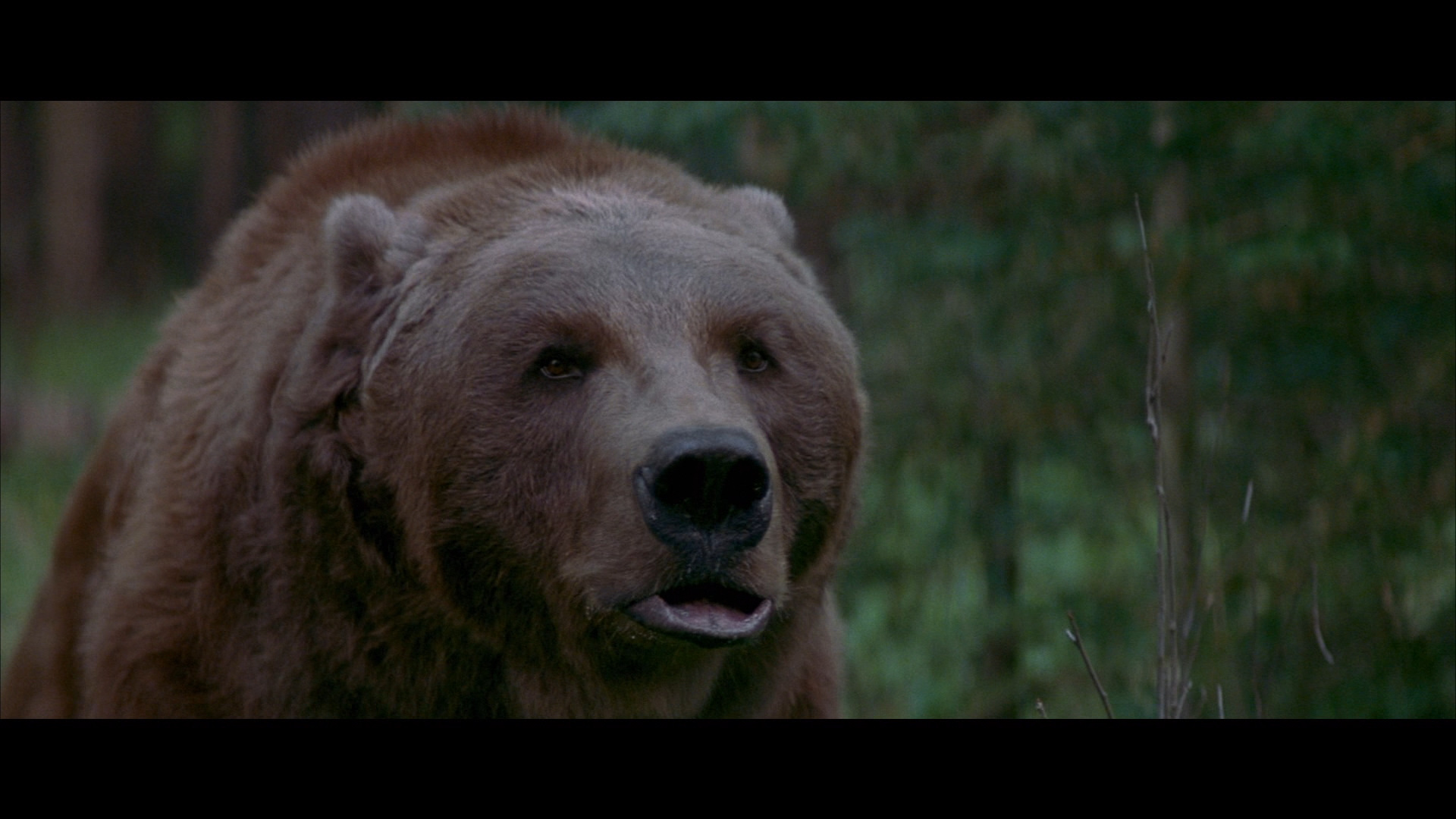
I snatched this from the movie, The Edge, starring Anthony Hopkins. It was the first bear that popped into my head.

I like this portrayal of the monster. Rather than invent some horrific creature, the reader only glimpses the edges off it in the same way as Trisha. We know the terror that lies behind the empty eye sockets of the bear, squirming with maggots. Yet most of the image is left for us to fill in with our minds.

True monsters need to be this way. Only ten-percent written, and ninety-percent in the reader’s head.

Tim Kane