Change or Perish

I recently watched the flick Bad Teacher which included a short rant by one character about how opera is dying. And he was right. This art from will die out, but not because people aren’t learning to love it. It’s because it refuses to adapt.

Let me step back and explain my own experiences with this art form. My dad, bless his soul, loved opera. And he loved it loud. Every Sunday morning on speakers almost as tall as me. I guess most kids had their parents blast Rolling Stones or AC DC. Me? I got Mozart and Beethoven.

That’s not to say I hated it outright. I did play a supernumerary (think “extra”) in a production of Tosca. There’s this one aria that still haunts me this day. I loved being under the stage and hearing it each night. Yet this opera was written over a hundred years ago. And those by Mozart and Beethoven are even older. My point, maybe opera needs some significant new blood to revitalize it.

Think about it. How many operas can you name? The only ones that come to mind are Barber of Seville and the Ring series by Wagner. It probably doesn’t help that both of these were performed by Bugs Bunny and Elmer Fudd.

rabbitofseville

I think the main problem is that opera is seen as pure and elite. I know that’s how my dad viewed it. Those who love it see the art form as superior to others. With that attitude, how are you ever going to adapt? With fewer young folk into it, opera will die out. Plain and simple.

But that’s a good thing.

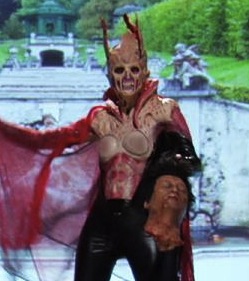
Once it’s dead, it’s free. People can dive back and lift those wonderful melodies up again. What would opera sound like if mixed with hip hop or electronica, or even good old rock. I know this is sacrilege, but this might be what it takes to bring it back to life. What does it say when the most interesting opera performance I’ve seen in a while came from Fifth Element?

Taking this idea to heart, don’t hold any of your own art forms as sacred. Have a key idea or character in a story? One that seems so vital the writing couldn’t survive with out. Kill the character or idea. Then see what happens. Maybe you’ll bring it back in a new and exciting form.

Tim Kane
Living the Pumpkin Carving Life

It’s October and I’m watching Halloween Wars. No, I don’t style myself on par with the expert pumpkin carvers, but I’ve created some pulpy ghouls over the years. One of the best tools I’ve seen (and one I need to buy) is the bent wire stylus used by clay sculptors. Currently, I use a strawberry corer to make detail work on the face of pumpkins. But I’m going too far. Most folk want to cut your classic pumpkin without all the hassle. I have a few tips.

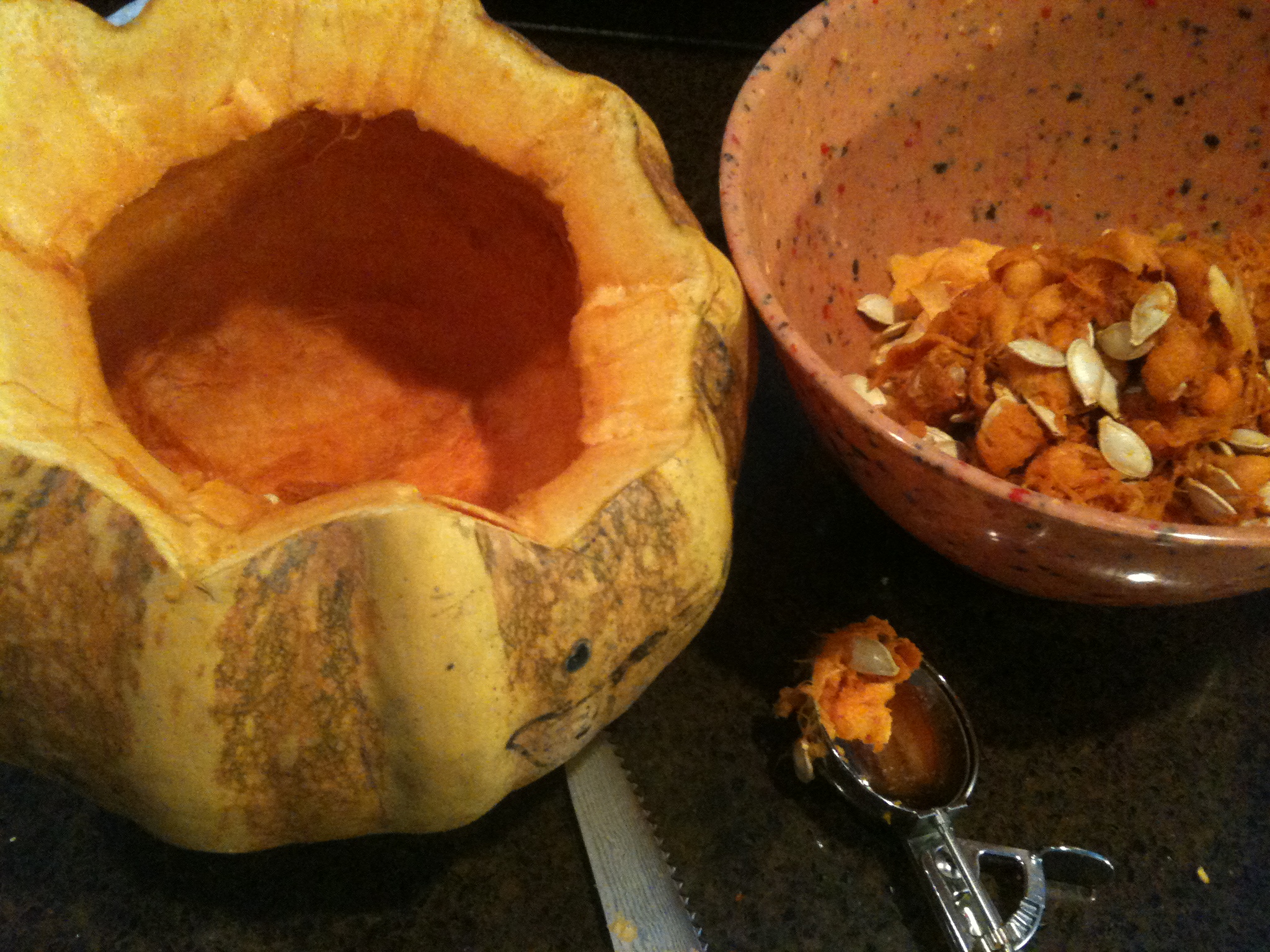
Now, the pumpkin I worked with ended up being a monster. Seriously, this thing was at least an inch and a half thick. I could hardly cut it. That being said, ditch those orange plastic pumpkin carving tools they sell at the store. Totally useless. Here’s what you need:

  • A bread knife
  • A steak knife
  • An ice cream scoop
  • A bowl to hold all the pulp and seeds

Pumpkin Tools

The ice cream scoop is great because the spoon has sides that are vertical (unlike a flat spoon) which makes digging into a pumpkin through a small hole easy. If you have one with a release lever (like the one pictured) then you never get your fingers gunky (although you loose out on all the fun that way).

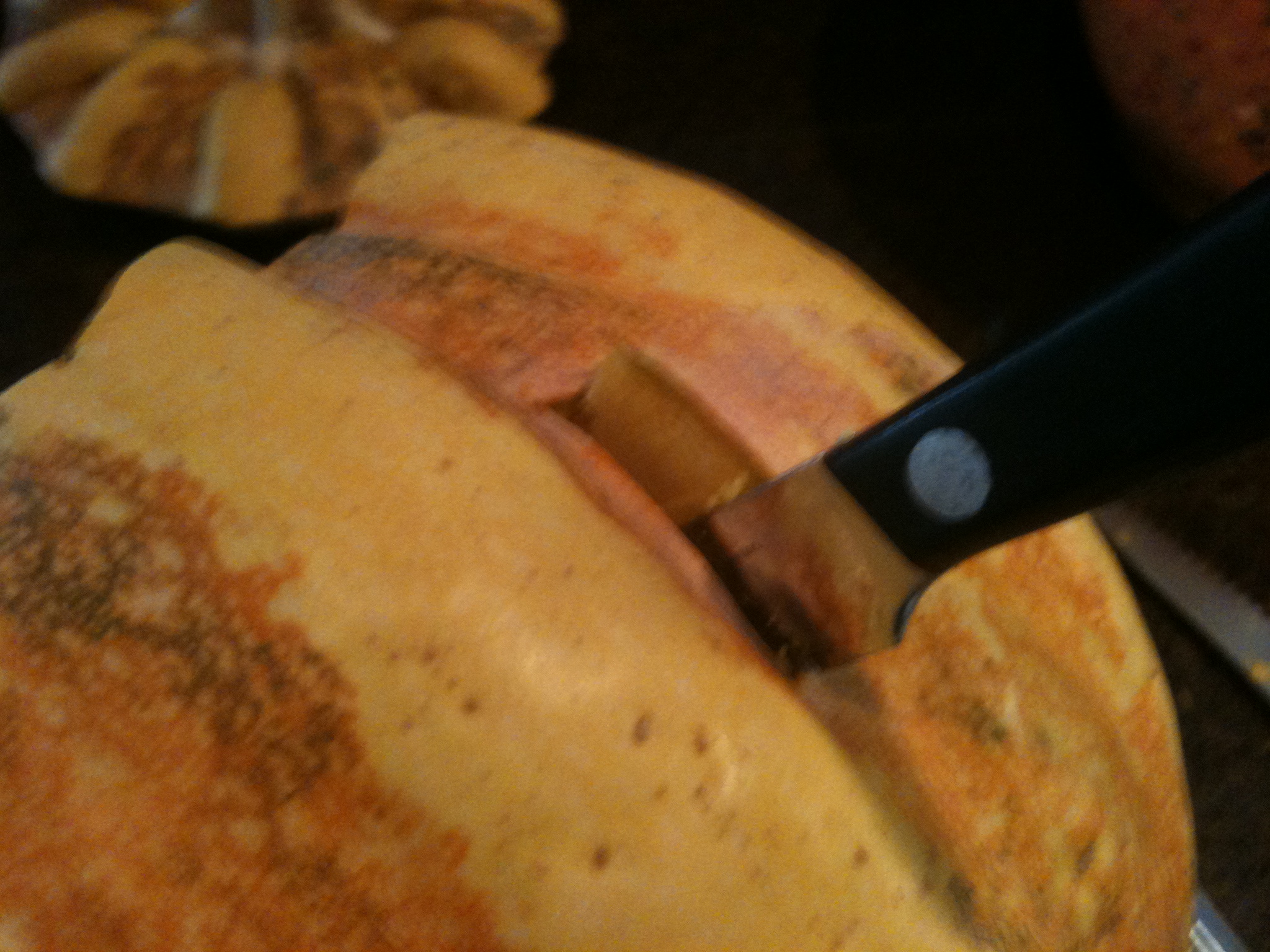
I typically use the bread knife to cut off the top because I’m going for power, not finesse. Once I get to the face, I switch to the steak knife. Serrated edges are the key. You want to saw through the pumpkin. Nothing is worse than punching in with a standard knife and have the blade trapped by the pumpkin. Literally, you can’t move that thing.

Cutting out the eye hole.

Don’t be afraid to over cut the holes. Generally, they don’t show. Toss everything in a bowl as you go to ease clean up. For the finished “classic” pumpkin, I use one of those battery-operated candles. These are great because you still get the flicker, but without any heat.

There are all these opinions on how to preserve a pumpkin. Mostly, I leave them out. They’re going to rot. Accept it. If I do want to keep one, I stash it in the fridge. This will only work for one pumpkin, and only then if you can make the room.

Carve away.

Tim Kane

Artists Need to Specialize

When I was younger, I delved into all sorts of artistic endeavors: painting, music, poetry. Yet I couldn’t get any traction and create authentic art unless I picked one and committed. The more you spread your time over different projects or media types, the less you can focus on one. For me, it’s writing.

I’m often tempted to jump art forms. Pick up the paintbrush or compose a song. However, I’m well versed enough to understand these distractions for what they are. It’s a subtle form of writer’s block. My brain, forced with creating, would rather sidetrack to another creative venue. It’s the same temptation that makes me want to switch novels rather than complete the one I’m on.

You have to stay firm and commit for the long haul. Finish what you started. If you want to switch to another art form, do it when you’re between projects.

Tim Kane

Unearth The Dark Places

So you write, or paint, or perform music. You’re an artist (I hope without the sarcasm). What’s the difference between a masterpiece painting and hotel art? Secrets.

Imagine you’re walking in a tranquil meadow. Birds singing. A copse of trees in the distance. A gentle breeze ruffling the hair on your arms. Yes, this is beautiful.

The hotel artist would simply paint this as it. I often recall Bob Ross, who often painted gorgeous paintings of landscape on TV in a matter of minutes. Yet they lacked depth. They were a well composed and professional picture. What’s missing?

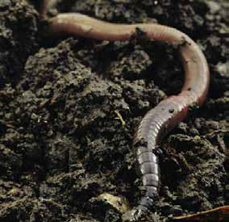
Imagine you’re in that meadow again. Instead of looking at the obvious beauty, think about the hidden. Kick over a rock. Are there worms wriggling down there? How about that fallen tree? Are there grubs burrowing in the rotted wood? These are the secrets that will transform you as an artist.

But you know you’re not done, right. It’s the rocks and rotted wood in you soul you need to delve into. What makes you scared, frustrated, angry? You need to find these emotions. Dig them up and expose them to the light. Then, you have to show them off to the world.

Scared? You should be. It’s not comfortable. But art shouldn’t be. The more uncomfortable you are, the closer to your own personal truth you’ve come.

Tim Kane

Wonderland

I am an Alice in Wonderland nut. Strange to say, coming from a guy, but I think it’s a terrific world begging to be explored. Most of my love is visual. I’m excited by the fantasy and, well let’s say it, the wonder of it. My recent manuscript echoes this in that I strive to create a magical world with it’s own rules.

As inspiration, I continue to snatch up images that speak to me of Alice.

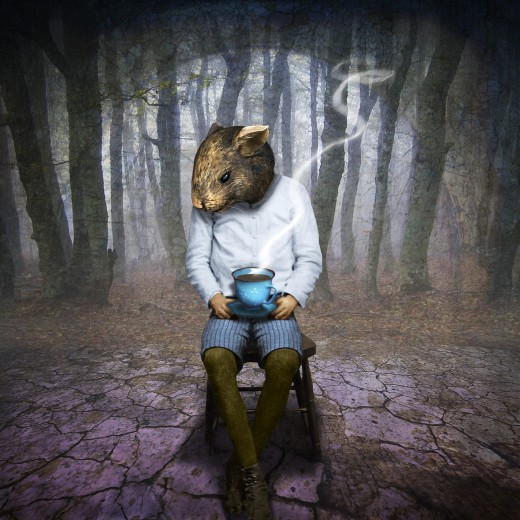
A wonderfully creepy image of the dormouse drinking tea. This is from a series called ‘Almost Alice’ by Maggie Taylor. There is a whole series of illustrations you can view at Retronaut.

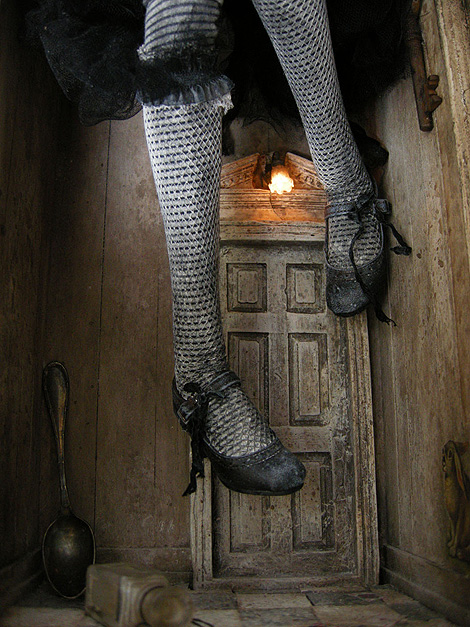
I have no clue where this image came from (I found it here). I simply love the gritty, almost textural feel of the walls and stockings. I also love that we only see her legs. She’s that tall.

Look at the detail in this queen. This screams “pissed off.” This is created by character designer Michael Kutsche.

Finally, I just finished watching Face Off on Sci Fi channel where the effects artists created zombie versions of Alice in Wonderland characters. The concept was Alice in Zombieland. Few photos were available.

This was the winning design. It showed a mutated Red Queen whose bones are growing into a crown.
What a fabulous movie this would make. If only.

Tim Kane