Where Do Ideas Come From?

Recently, I was lucky enough to speak to some middle school students about writing (specifically High Tech Middle Media Arts). The experience was exhilarating. The kids really knew their stuff, asking a ton of good questions. Then one came up that I hadn’t considered: Where do your ideas come from? Sensible query, especially from a kid’s point of view. After all, they are required, by force of curriculum, to generate creative ideas on the spot.

My answer in class was a knee jerk reaction. Given some time to think, I’ve come up with a laundry list of places that ideas come from. Mostly it’s a set of connections. One thing relates to another and then bang. Idea. I’ve started a book based on the results of a presidential election. (Not even a political thriller. The book was about monsters.) Another idea came from a Poly Sci class in High School. One of my best ideas sprang up while watching an episode of Scooby Doo.

Mostly the idea of a story starts as a “what if” scenario. I find a detail from some article or snippet of a commercial and then think, what would happen if…? You need to give your mind time to daydream, otherwise the ideas (the good ones at least) won’t come.

So where do your ideas come from?

Tim Kane
Everyone Needs a Nametag

Me plus names equals epic failure. My brain just doesn’t work that way. I can recall obscure math facts or trivia from films, yet ask me the name of an actor or a character and I shut down. I end up saying, “That guy that was in the film with the sword who cut off the head of the guy that turns into a snake.” (Conan)

What’s worse it that I’m a teacher. I have to remember about a hundred names a year. I rely heavily on seating charts. It’s not to say that I can’t remember names. They do come. Yet after the students move on, I can only recall that I know the person. Not the name.

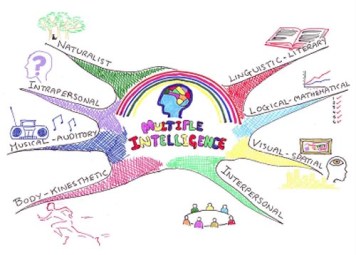
Some people view this as rude. Don’t. It’s not that I don’t remember you. I do. I simply can’t recall the name. It’s like those kids I work with that simply can’t remember how to add fractions. It has to do with multiple intelligences. You see there are different ways that the brain understands the world. I have the logical spatial and the linguistic. I don’t think I have the naturalist. But my daughter does. She can recognize and categorize animals in a snap. My theory is that this is linked with names. Or perhaps it’s the interpersonal intelligence, as she it sensitive to what others feel.

So don’t blame me for forgetting your name. I just have a deficit in that intelligence. You can’t be perfect at all of them, can you?

Tim Kane

teacher.

Marketing Mojo

So busy this weekend. Working and sweating over marketing plan for the new book. Actually, working on revisions to the plan from my agent. Going great, but little time to blog. Carry on.

Tim Kane

Creative Starvation

I recently read an article on io9 about how the body can survive up to 70 days without food. It goes through several stages where the body cannibalizes muscle and bone to keep the brain alive. As a writer, I wondered if this process could happen creatively.

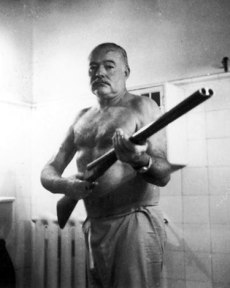
Somehow dying creativity made me think of Hemingway and his shotgun.

I just exited a two month funk. I had just finished edits on a manuscript, but wasn’t due to hear from my agent for a while. (I’m a deadline person. Without one, I’m lost.) I worked up a new novel idea, but the routine of churning out pages each day wasn’t there. I felt starved.

Here’s how I think creative starvation might work on anyone art-minded.

1-2 days after finishing a project
You feel that high that seems to never go away. It’s like creative adrenaline. You feel pumped.

3-7 days after finishing a project
This is the hot spot. You either start something new (I mean just dive in) or you don’t. In physical starvation, the brain takes 25% of the body’s energy. In creative types, imagination takes the largest share. During this time, it’s spinning out of control because it doesn’t have a clear direction. It’s a wet paintbrush searching for a canvas.

1-3 weeks after finishing a project
This is when your imagination starts to cannibalize other ideas. You might find the novel you’re reading an incredible inspiration. Maybe you could mimic it somehow. Or perhaps you dive into blog writing. You convince yourself that it’s also creative and just the same as fiction writing. Yet all these endeavors further drain and weaken your creative spirit.

Onward past 3 weeks
There are a few options here. Unless a deadline or some event propels you back into writing, your imagination might perish. Without the fresh nourishment of routine and a clear project to work on, it starves.

Treatment: Take one chair. Apply butt. Type.

That’s it. Even if garbage comes it. Because it probably will. You need to type. Wake up the creative muse that’s comatose inside you.

Write on.

Tim Kane

Junk DNA of Your Soul

I was reading about how scientists are now reevaluating junk DNA. It’s all that DNA that doesn’t build proteins. Instead, they now are finding that these “non-coding” DNA are controlling the rest of our genes.

It makes me wonder if there is some junk DNA in our everyday lives. Maybe there are things you do all the time that don’t produce anything. Habits. You know, the way you prepare your coffee or make your bed. These routines serve no useful purpose. They don’t contribute to any work that you do. Yet are these habits totally without merit? Imagine if all your habits were gone? You don’t eat the same, sleep the same, or dress the same? Would you be productive? Probably not.

It’s the little bits of your life, these “non-productive” habits, that oil the machinery of your soul. They bring you bliss. Mostly because they ease the mind of thinking. You can’t be “on” your whole life. Your brain needs down time. That’s what habits are for. As you stroll through the routines of your life, they give your soul time to cleanse and your brain time to work out problems. Then, when it’s time to get to work, you’re ready to go.

Don’t shun the little things. Those habits you’ve built up, may actually make you more productive.

Tim Kane